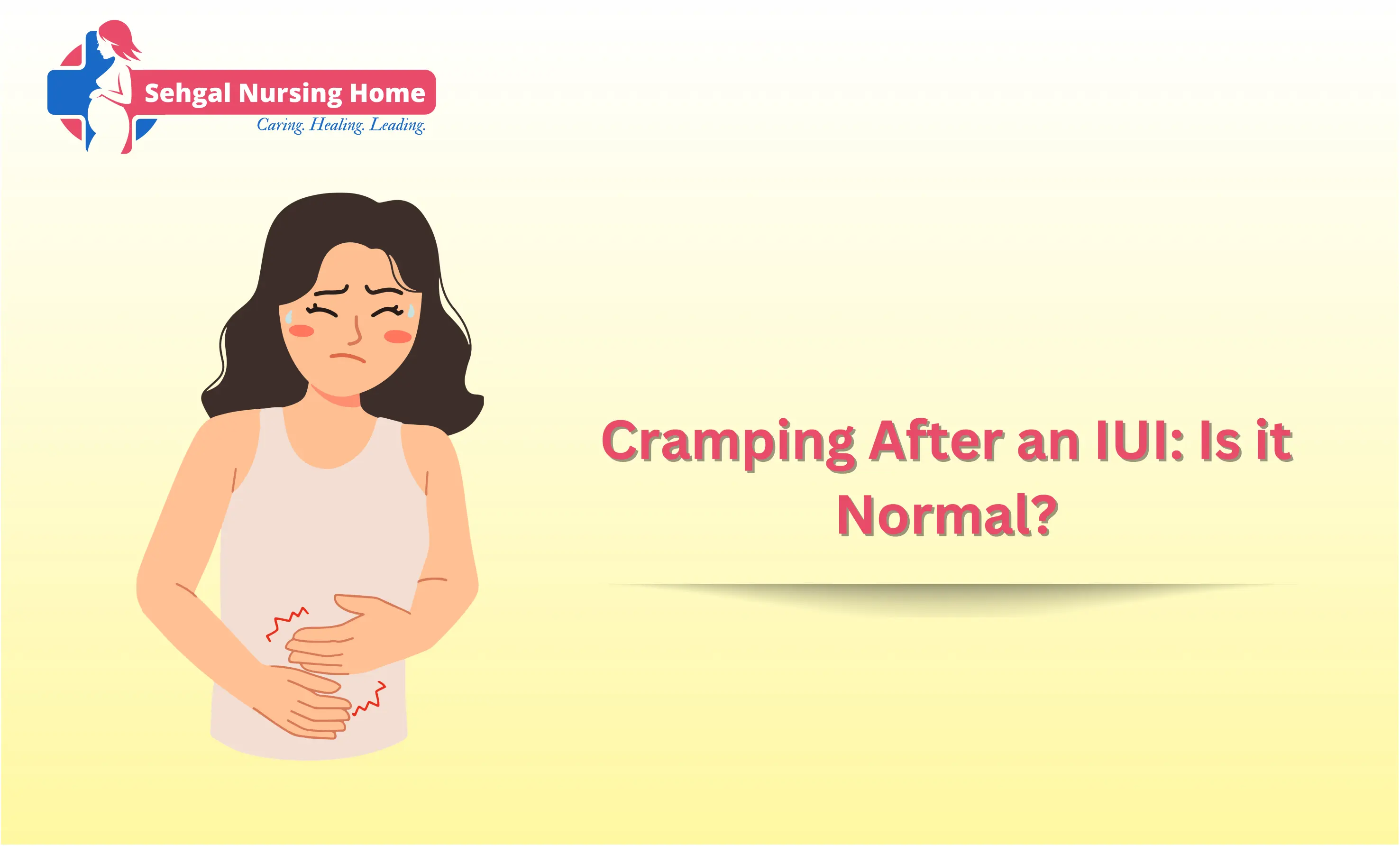
The two-week post-IUI waiting period is already one of the most emotionally charged in a fertility journey. Include cramping in the image, and the anxiety increases instantly. Is it the procedure? Is it ovulation? Is it implantation, or something amiss? The comforting response to most women is that cramping following IUI is absolutely normal. But knowing what is making it happen, what it is like and when it crosses into alarming territory makes IUI treatment in Delhi easier.
The causes of cramping after an IUI procedure may have various origins, each of which occurs at a different time in the timeline of post-procedure cramping.
Normal cramping following IUI is usually:
The majority of patients in our clinic in Delhi report that the immediate post-IUI experience is that of pressure or mild pulling and not sharp pain. This is within the anticipated range and does not necessitate treatment other than rest and light pain relief as needed.
|
Time After IUI |
Likely Cause |
Action Needed |
|
0–6 hours |
Catheter passage, cervical stimulation |
Rest and a mild analgesic if needed |
|
6–24 hours |
Ovulation, uterine contractions |
Monitor, no action required |
|
Days 2–5 |
Luteal phase, progesterone support |
Expected: continue medications |
|
Days 6–12 |
Possible implantation |
Note symptoms; avoid over-analysis |
|
Day 14+ |
Period or early pregnancy |
Schedule blood beta-hCG test |
Although the majority of cramping is harmless, some presentations should prompt you to contact your fertility clinic:
Can I take painkillers after IUI for cramping?
Generally, it is believed that paracetamol is safe in the treatment of post-IUI cramping. Ibuprofen and other NSAIDs are not recommended during the luteal phase because some evidence suggests that they can interfere with implantation. Always make sure to check with your fertility doctor before taking any medication after the procedure.
Does cramping mean the IUI has not worked?
No, cramping does not give a good prediction of IUI outcome in either direction. Women who have a lot of cramping also have successful pregnancies, and women who do not experience any cramping also conceive.
How soon after IUI should I take a pregnancy test?
The most accurate measure is a blood beta-hCG test that is done at 14 days post-IUI. Home urine tests taken previously may give a false negative or a false positive when an hCG trigger shot was administered and has not cleared the system yet.
Post-IUI cramping is a normal aspect of the process for most women, but nothing to worry about during your fertility journey is too small to notice. To get compassionate, professional IUI treatment in Delhi, contact Sehgal Nursing Homes and allow us to take care of all the processes in your parenthood journey.
© 2026 Sehgal Nursing Home, Inc. All rights reserved | Website designed by Digital Net India