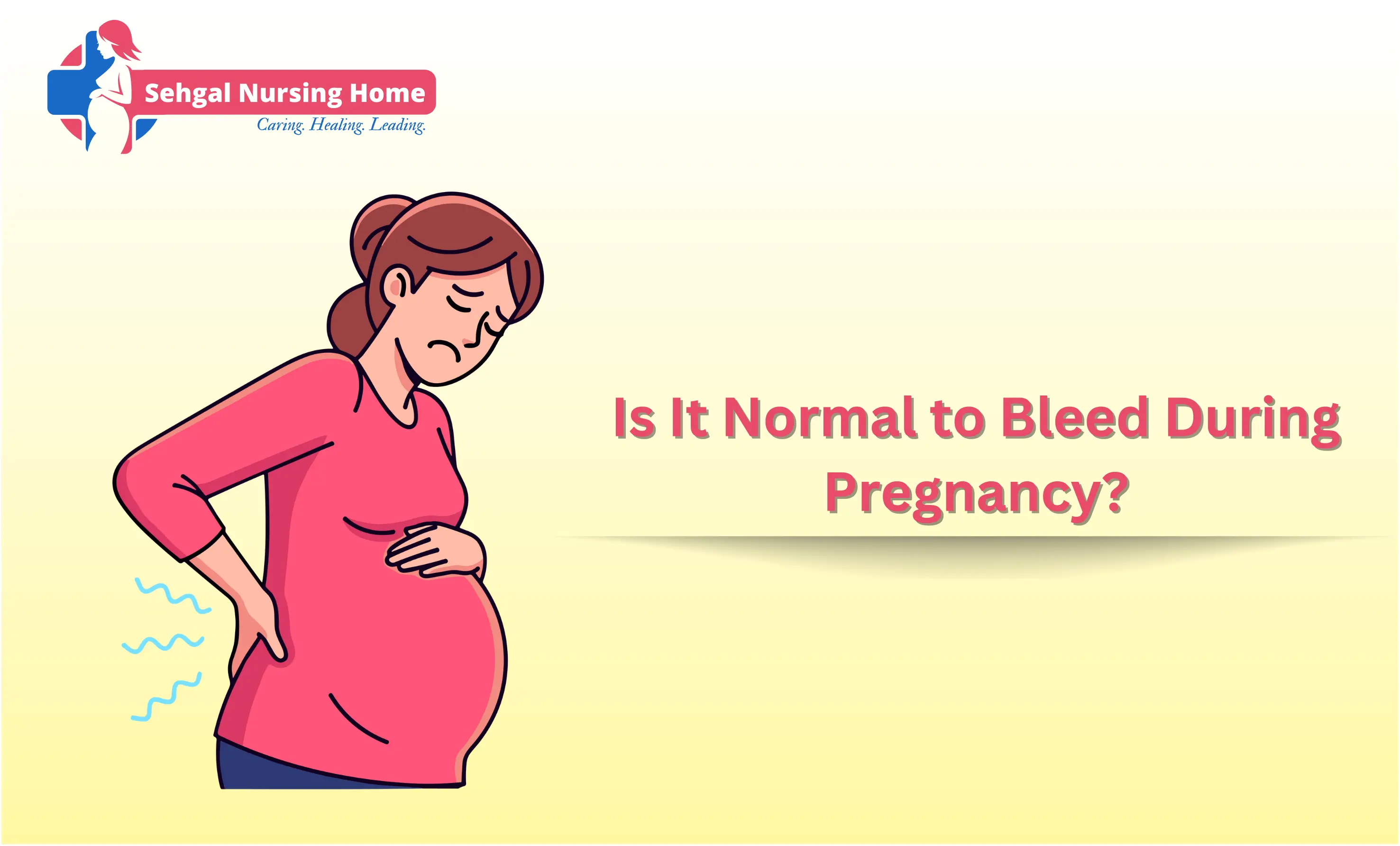
Seeing blood when pregnant is a terrifying thought, and most women will immediately go to their phone and search for answers. The fact of the matter is that bleeding during pregnancy is not a rarity, as many people might think, and in a considerable number of instances, it does not signify a serious problem.
However, there are real emergencies related to the causes of pregnancy bleeding. Knowing the difference may save your life and your baby.
The causes, the importance, and the response to the bleeding vary significantly depending on the stage of the pregnancy, the amount of bleeding, and the symptoms that accompany the bleeding.
Later bleeding after 12 weeks is less frequent and should be immediately considered in all situations.
|
Cause |
Trimester |
Urgency |
|
Placenta praevia |
Second / Third |
Urgent: avoid intercourse and have bed rest |
|
Placental abruption |
Third |
Emergency: immediate hospital care |
|
Preterm labour |
Third |
Emergency: call your doctor immediately |
|
Cervical polyp |
Any |
Non-urgent: monitor and review |
|
Vasa praevia |
Third |
Emergency: life-threatening if undetected |
Placental abruption in which the placenta becomes detached between the uterine wall and the placenta prior to delivery, is linked with excessive bleeding, severe abdominal pain, and uterine rigidity. It needs emergency treatment immediately.
Do not wait until a scheduled appointment when the bleeding is accompanied by the following:
At Sehgal Nursing Home, an ultrasound is used to evaluate foetal heartbeat, placental position and cervical integrity in any episode of pregnancy bleeding. A blood group and Rhesus factor test is also done; Rh-negative mothers who experience bleeding during pregnancy require an anti-D immunoglobulin injection to prevent future pregnancies.
Can I continue my pregnancy normally after bleeding in the first trimester?
In many cases, yes. Light bleeding with a known foetal heartbeat on ultrasound has a promising prognosis. Depending on the cause, your doctor will recommend restrictions on activities and the frequency of monitoring.
Does bleeding always mean miscarriage?
No. Most women experience bleeding during early pregnancy and proceed to have healthy babies. Nevertheless, any bleeding during pregnancy must be examined by a gynaecologist; self-examination without clinical examination is not recommended.
Is brown discharge during pregnancy normal?
The brown discharge is a typical sign of older blood, usually of implantation or a resolving haemorrhage. Although it is not usually a cause of concern as compared to the bright red blood, it still needs to be mentioned to your gynaecologist during your next visit or earlier with the accompaniment of pain.
Bleeding in pregnancy is something which should be medically looked into, even when it turns out to be harmless. To have a quick, caring evaluation by a skilled gynaecologist in Azadpur, call Sehgal Nursing Homes and have our staff provide you with the clarity and care you deserve.
© 2026 Sehgal Nursing Home, Inc. All rights reserved | Website designed by Digital Net India